
Seminar description
Art causes scandals for many reasons, provoking a range of consequences, including censorship, cuts to government funding of the arts or even destruction of the work in question.
In this course we will consider a number of kinds of art scandal arising from exhibition in public galleries and urban spaces, including those that have to do with legal issues such as plagiarism and vandalism; aesthetic objections on the part of the public, ranging from perceived obscenity to simple resentment of abstract art; racism; sacrilege; and political subversion, amongst others.
We will consider the work of artists including Chris Ofili, Joep van Lieshout, Paul McCarthy, Damien Hirst, Michael Snow, Sally Mann, Banksy, Rachel Whitebread, Richard Prince, Andres Serrano, Robert Mapplethorpe, Carl Andre, Maya Lin, and Jeff Koons, amongst others.
Get to know your professor
Elizabeth Legge
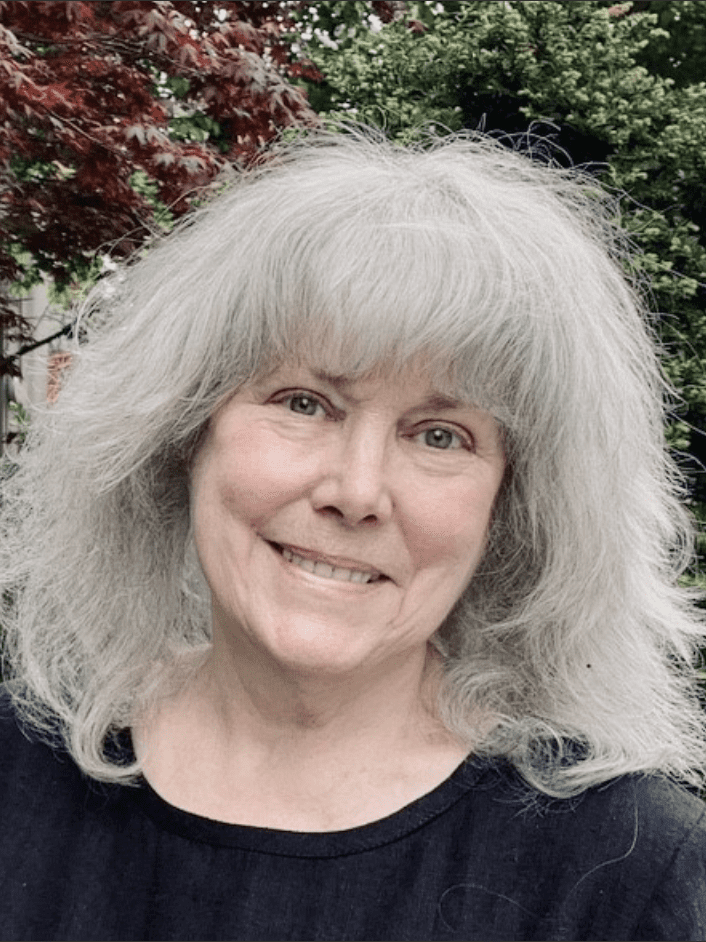
You can call me…
Professor, Prof
I just can't live without…
Coffee
I just can't live without…
Coffee
My hometown is…
Toronto, Ontario
For my undergraduate degree…
English at the University of Toronto, Art History at Cambridge (2 BAs!)
I am surprisingly good at…
Nothing I’m good at is really surprising.
Fun fact:
I met John Lennon.
If I wasn't teaching, I would be a…
I would open a tea room.
A fun fact about my field of study is…
Art history books have a lot of pictures.
In a sentence, what you’ll learn in my course:
Think about why people get more upset about art than about other social realities.
One of my favourite things about teaching first-year students is…
They are not yet specialized in a field, and so, bring diverse points of view to questions of art.
What I'm working on now is…
The representation of children in contemporary art.
Lately, something that has been exciting me about my research/scholarship is…
Learning about the aesthetics of cuteness.
A fun fact about my field of study is…
Because it extends into the present, the art that I deal with changes all the time.
I was inspired to get into this field because…
I like pictures. And I like looking closely at the visual environment.
My first-year seminar in five words:
- Art
- Controversy
- Society
- Values
- Politics
In a sentence, what you’ll learn in my course:
You will learn how art can entertain, inform, and cause moral panics
One of my favourite things about teaching first-year students is…
Having a conversation about the many ways of understanding art and what it does.
My best advice for those starting their first year…
Try to find out what interests you!
 NAME: Chelsea Rochman.